
John and Caroline: When Perspective Shapes Reality — Lessons From Neuroscience and the Bible
A Love Story

When “It Seems Right” Is Not Safe
Hi Friends,
Have you seen the recent Fox or Hulu story about John F. Kennedy Jr. and Carolyn Bessette? The series, Love Story: John and Caroline, presented by Hulu and Fox, has been widely discussed. Their love story appears perfect—something many might hope for.
Still, I keep thinking about how their story ended.
Though everything looked good from the outside, it ended in tragedy. This shows that what seems right isn’t always safe.
This is what Scripture warns against: “There is a way that seems right to a man, but its end is the way of death.” Proverbs 14:12. What feels right isn’t always safe.
We’re often told to trust what feels or looks right. But not everything that looks good leads to life.
That pattern is not isolated. It connects directly to a broader theme, evident in both real events and deeper truths found in Scripture.
The Tragedy
On July 16, 1999, John F. Kennedy Jr. flew a Piper Saratoga from Caldwell, New Jersey, to Martha’s Vineyard with Carolyn Bessette Kennedy and her sister Lauren Bessette. The plane crashed into the Atlantic. The NTSB found that Kennedy lost control during descent because of spatial disorientation, haze, and darkness. He didn’t have an instrument rating, had little night flying experience in those conditions, was still recovering from an ankle injury, and had turned down an instructor’s offer to go with him. He chose to fly alone. All of this shows he faced more than he was ready for.
When the Brain Feels Right but Is Wrong
Spatial disorientation is dangerous because it affects how we perform and can also trick us into feeling confident. When you lose visual cues, like flying over water at night in haze, your brain relies on your inner ear’s balance system. But that system isn’t made for flying. It can make you feel like you’re flying straight and level, even if the plane is tipping or going down. You might feel completely in control while actually losing it.
Neuroscience shows that the metacognitive system, which judges if we’re doing things right, relies on experience and feedback. Lacking these, we can feel confident even if we’re not able. This is the gap highlighted by research on metacognition and the Dunning–Kruger effect: skills and self-judgment are connected, and if one is lacking, so is the other (Kruger & Dunning, 1999; Fleming & Dolan, 2012).
In other words, the problem isn’t just making a mistake. It’s when we wrongly believe we’re safe or correct—when we feel right, but are actually mistaken—and don’t realize the danger until it’s too late.
Confidence Without Calibration
The Kennedy flight shows a human tendency beyond flying. Kennedy was licensed, improving his skills, and likely felt in control. But the situation needed more skill than he had. The NTSB noted that an instructor offered to go with him out of concern, but Kennedy chose to fly alone. This shows our confidence can grow faster than our true ability.
Neuroscience helps explain this. The brain uses past experience to predict and feel ready. If we’ve handled similar things, it often leads us to believe we can manage tougher situations. This feeling can persist even if we’re not actually prepared. The prefrontal cortex judges well only with enough experience and feedback. Without that, we may feel ready but actually still be at risk (Yeung & Summerfield, 2012).
Scripture names this condition with remarkable precision:
“There is a way that seems right to a man,
But its end is the way to death.” — Proverbs 14:12
The focus isn’t on obvious mistakes but on being misled. The danger is in what seems right, as our minds trust what’s familiar or under control, not always what’s true. This proverb describes our thinking process, not just what we should do.
What happened in that cockpit is a lot like what happens in daily life. Danger often hides behind what seems manageable or right; that’s how small misjudgments can turn into big mistakes.
When the Disciples Misjudged the Battle
This same pattern appears in Mark 9, when the disciples attempt to cast out a demon and fail. They had done this before and felt prepared, but the conditions differed this time. Their failure was not due to ignorance of God, but a misjudgment of the situation. When they asked Jesus why they could not cast it out, He answered:
“This kind can come out by nothing but prayer and fasting.” — Mark 9:29
The disciples entered a spiritual challenge, thinking they were ready, but weren’t as prepared as they thought. Jesus’ answer shows some situations need deeper dependence and spiritual focus, not just repeating past actions.
The disciples knew the methods but needed to rely more deeply on God’s power, recognizing that some challenges are bigger than we can handle alone—spiritually, mentally, or physically.
Underestimating the Enemy, Overestimating Ourselves
Scripture consistently warns that the spiritual life is not neutral ground:
“Be sober, be vigilant; because your adversary the devil walks about like a roaring lion, seeking whom he may devour.” — 1 Peter 5:8
The issue isn’t just having an enemy; we often misjudge both the enemy and ourselves. We tend to underestimate challenges and overestimate our own ability. This matches brain science on bias and metacognition: our brains like feeling in control and often miss threats unless trained to spot them.
That’s why spiritual disciplines aren’t optional in Scripture. Prayer, fasting, alertness, and time in the Word aren’t extras. They are tools to keep us grounded, build discernment, and avoid overconfidence. The battle is the Lord’s, and we are to put on His armor daily.
Why Dependence Is Not Weakness
The consistent call throughout Scripture is not toward self-sufficiency, but toward dependence:
“Trust in the Lord with all your heart, and lean not on your own understanding.”
— Proverbs 3:5
This isn’t about ignoring reasoning, but knowing its limits. The mind that plans can also err or overestimate itself. Neuroscience shows confidence isn’t always accurate, and Scripture warned about this long before science did.
Depending on God isn’t weakness, but our real strength. It means we’re honest about our perspective and limitations, and that some things are beyond our own capacity. The Bible teaches us not to lean on our own understanding (Proverbs 3:5-6).
The Subtle Danger of “I Can Handle It”
The most dangerous times aren’t when we’re scared, but when we feel sure of ourselves (Pride goes before destruction, Proverbs 16:18). When things feel easy or familiar, we’re less likely to question them.
The Kennedy crash is more than a tragedy. It reveals a common weakness: even smart, capable people can misjudge their limits. Our brains can make us feel in control even when we’re lost.
Scripture tells us to stay alert, be humble, and depend on God. What seems safe may not always be, and feeling ready doesn’t mean we are.
Final Thoughts
As I finish, I keep noticing how easy it is to stay busy trying to solve everything instead of slowing down enough to listen for God’s guidance.
Much of what we call “confusion” is us moving forward without checking if we’re in sync with God. We make plans, react, and try to fix things ourselves, then wonder why we’re unsettled.
I don’t think God is hiding; we just may not be still enough to notice His guidance.
Praying only in desperation is different from making prayer a regular habit. Fasting, too, is about making space and quieting the noise.
Being busy often makes it harder to see if we’re on the right path.
Prayer helps us get honest with ourselves. Fasting slows us down and reminds us we’re not in control.
Sometimes the wisest thing we can do is pause and ask, “God, is this truly Your will, or am I assuming it’s right based on my own feelings?” This helps guard us from being misled by what only seems right.
Let’s learn to be more intentional: to pray first, not after the fact. Seek God before making decisions, not just afterward, in hopes of His blessing. Lean completely on the Lord and allow Him to lead us.
Prayer
Dear Heavenly Father,
Please help us not to get ahead of Your voice. Help us not to call something wisdom if it’s really just impatience. Help us notice what we are missing. Help us to slow down when we need to. And help us to trust You enough to pause, even when we feel like rushing ahead.
Keep our steps in line with Your Word, not just with what we think makes sense.
In Jesus’ name, amen.
*Please note that this article is not placing blame on John Kennedy Jr. The intention here is not to single anyone out, but to reflect on the situation as a whole, understand what took place, and focus on moving forward with clarity and fairness.
Love and Light,
Dr. April Joy
Philippians 1:6
Disclaimer: This letter is for informational purposes only. It contains general information, drawn from my experience, research, and best practices. It is not health care advice, and is not intended to replace the counsel of your health care provider. Consult your provider before starting any new treatments or making changes to your health routine. This message does not constitute a doctor-patient relationship between us.
If you are experiencing significant anxiety, distress, or need support, please seek care from a qualified healthcare professional. You may also consider reaching out to a licensed Christian counselor or pastor for additional support.
If you are in crisis, having thoughts of harming yourself or others, or feel unsafe, please call 911 or go to your nearest emergency room immediately.
References
Federal Aviation Administration. (2015). Spatial disorientation: Visual illusions. U.S. Department of Transportation.
Fleming, S. M., & Dolan, R. J. (2012). The neural basis of metacognitive ability. Philosophical Transactions of the Royal Society B: Biological Sciences, 367(1594), 1338–1349. https://doi.org/10.1098/rstb.2011.0417
Kruger, J., & Dunning, D. (1999). Unskilled and unaware of it: How difficulties in recognizing one’s own incompetence lead to inflated self-assessments. Journal of Personality and Social Psychology, 77(6), 1121–1134. https://doi.org/10.1037/0022-3514.77.6.1121
National Transportation Safety Board. (2000). Aviation accident report: NYC99MA178, Piper PA-32R-301, N9253N, July 16, 1999.
Stott, J. R. R. (2013). Orientation and disorientation in aviation. Extreme Physiology & Medicine, 2(2).
Yeung, N., & Summerfield, C. (2012). Metacognition in human decision-making: Confidence and error monitoring. Philosophical Transactions of the Royal Society B: Biological Sciences, 367(1594), 1310–1321. https://doi.org/10.1098/rstb.2011.0416
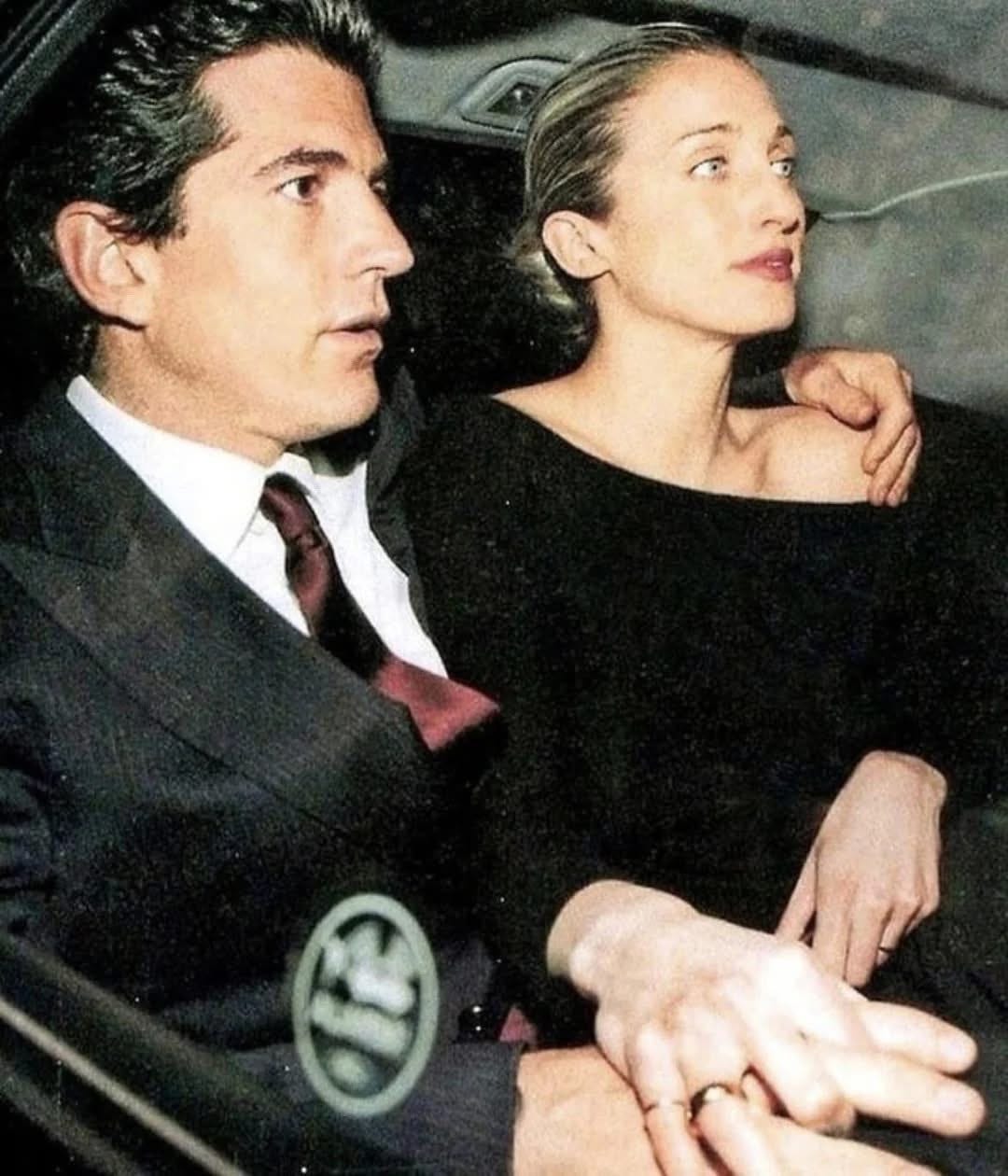
John and Carolyn Kennedy
Thanks sister for a much needed reminder to not truest in ourselves, but in God, for all things.
Shalom
This was so gooood!!